Filtration Wiki
The Fil-Trek Filtration Wiki is a reference guide that defines key terms and concepts used in industrial filtration. It helps engineers, operators, and customers quickly understand filtration terminology and make better system choices.
Filter Element Construction
Filter elements are built using different media and structures to achieve specific filtration goals. Each construction type offers unique performance characteristics suited to various fluids and operating conditions.
Carbon Block
Compressed activated carbon that removes contaminants by adsorption on its porous surface.
Best for: Excellent for reducing chlorine, odor, and organic compounds in water applications.
Meltblown
Depth-type filter made by extruding fine polymer fibers into a dense mat.
Best for: High dirt-holding capacity for general-purpose liquid filtration; cost-effective disposable media.
Membrane
Thin microporous media with precise pore size control.
Best for: Used for absolute-rated filtration, ideal for final polishing or sterilization-grade applications.
Pleated
Filter media folded into pleats to maximize surface area within a compact design.
Best for: Provides high flow capacity, low pressure drop, and extended service life compared to flat media.
Porous Metal
Media formed from fine metal powder that is sintered to create a uniform, rigid pore structure.
Best for: Extremely durable and reusable; available in stainless steel, nickel, and a wide range of exotic alloys for high-temperature, high-pressure, and corrosive applications.
Rolled Depth
Layers of fibrous media wound into a dense cylindrical roll.
Best for: Gradual pore structure provides depth filtration; ideal for viscous fluids and high solids loading.
Stringwound
Yarn tightly wound around a perforated core in a helical pattern.
Best for: Economical and rugged; great for removing coarse particles from water, oils, and chemicals.
Wire Mesh
Precision-woven metal screen, often stainless steel.
Best for: Cleanable and long-lasting; best for coarse filtration, strainers, or applications needing structural strength.
Media Options
Filter media is the material that performs the actual filtration. Different media types are selected based on the application, fluid compatibility, particle size requirements, and operating conditions. Temperatures noted below are for reference only.
Acrylic
Synthetic polymer fiber used for general-purpose liquid filtration and low-temperature gas service.
Max temperature: 200°F (93°C)
C-276 Hastelloy
Nickel-molybdenum-chromium alloy offering exceptional corrosion resistance in aggressive chemical and seawater environments.
Max temperature: 1000°F (538°C)
Carbon Block
Compressed activated carbon for adsorption of chlorine, taste, odor, and organic compounds in water applications.
Max temperature: 140°F (60°C)
Cellulose
Natural plant fiber used in economical filters for oil and coolant applications.
Max temperature: 180°F (82°C)
Cotton
Natural fiber commonly used in liquid filtration and prefilters for water, oils and coolants.
Max temperature: 250°F (121°C)
Cotton String
Twisted or wound cotton yarn for depth-type filtration of particulates in liquids.
Max temperature: 250°F (121°C)
Cotton/Synthetic Blend
Mixture of cotton and synthetic fibers offering improved strength and temperature stability.
Max temperature: 275°F (135°C)
Cotton/Synthetic/Excelsior Blend
Blend of cotton, synthetic, and wood fibers (excelsior) forming a deep, porous structure for high dirt-holding capacity in oil and viscous liquid filtration.
Max temperature: 275°F (135°C)
Fiberglass
Fine glass fibers used in high-efficiency filtration for air, gas, and hydraulic fluids.
Max temperature: 500°F (260°C)
Microglass
Ultrafine glass fiber media providing high efficiency and dirt-holding capacity in liquid and gas filters.
Max temperature: 350°F (177°C)
Nylon
Durable synthetic polymer offering excellent abrasion resistance and chemical compatibility.
Max temperature: 250°F (121°C)
PTFE Membrane
Polytetrafluoroethylene membrane providing exceptional chemical resistance and hydrophobic properties for aggressive fluids and gases.
Max temperature: 450°F (232°C)
Polyester
Synthetic fiber media with good strength, chemical resistance, and resistance to hydrolysis and hydrocarbons.
Max temperature: 275°F (135°C)
Polyethersulfone
Asymmetric membrane with high flow rates and excellent chemical resistance for sterile and fine filtration.
Max temperature: 250°F (121°C)
Polypropylene
Widely used thermoplastic polymer with broad chemical compatibility and low cost for general liquid filtration.
Max temperature: 200°F (93°C)
Rayon
Regenerated cellulose fiber with low lint and excellent compatibility for water, oil, and sanitary applications. Withstands steam sterilization and repeated high-temperature cycles.
Max temperature: 180°F (82°C)
Resin Impregnated Cellulose
Cellulose media impregnated with resin and bonded water-absorbing polymer for hydraulic and lube oil moisture removal.
Max temperature: 250°F (121°C)
SS304
Stainless steel alloy with good corrosion resistance for general-purpose liquid and gas service.
Max temperature: 1000°F (538°C)
SS316
Stainless steel alloy with added molybdenum for superior corrosion resistance in chlorides and harsh chemicals.
Max temperature: 1000°F (538°C)
Titanium
Outstanding corrosion resistance, biocompatibility, and mechanical strength.
Max temperature: 1100°F (593°C)
White Cotton
Bleached cotton fiber for clean, low-lint filtration in food, beverage, and pharmaceutical service.
Max temperature: 250°F (121°C)
Housing Compatibility
Indicates which filter housings can accept a given element based on length, diameter, end cap style, seal type, and connection. Fil-Trek offers Engineered Fit & Function solutions for any existing housing or application—contact us, we're happy to keep you flowing.
No itemized entries in this section.
Filter Element Type
Filter Element Type refers to common industry categories used to describe different styles of filtration products.
Cartridge
Standard cartridge filters typically describe 2.5"-2.75" diameter elements used for liquid and gas applications.
High Flow (HF)
Larger capacity outside-in flow filters designed for higher flow rates and longer service life than standard cartridges. 6.5" OD, 3" ID with a 338 O-Ring.
High Flow 700 (HF700)
High retention outside-in flow filters designed for higher dirt holding capacity and longer service life than standard cartridges. 6.5" OD, 1.6" ID with a 226 O-Ring.
Ultraflow (UF)
Larger capacity inside-out flow filters designed for higher flow rates and longer service life than standard cartridges. 6" OD, 3" ID with a 435 O-Ring.
Gas Particulate Filter
Used for removing solid particles from gas streams.
Gas Coalescer
Removes fine liquid aerosols from gas, promoting droplet coalescence for efficient separation.
Gas Separator
Combines particulate and coalescing functions for comprehensive gas filtration.
Bag Filter
Sewn or welded filter bags designed for high flow and dirt-holding capacity in liquid applications.
Cartridge End Caps
Available End Cap Treatments for Standard 2.5", 2.75" Cartridge Filter
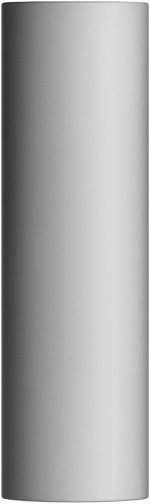
E1
DOE Double Open End with plain cut ends
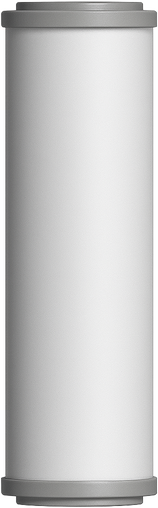
E2
DOE Double Open End with flat gaskets
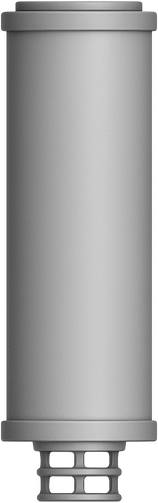
E3
DOE Double Open End with extended core on one end
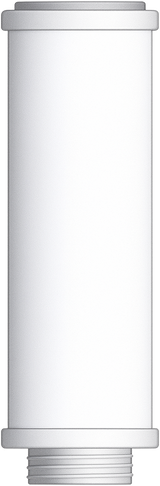
E4
SOE Single Open End with 222 o-ring
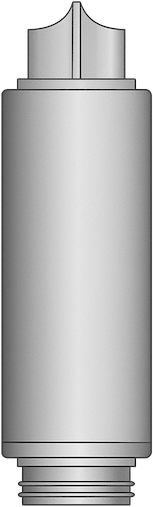
E5
222 o-rings with fin on one end
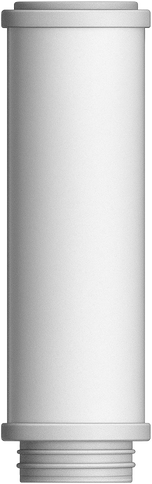
E6
SOE Single Open End with 226 o-ring
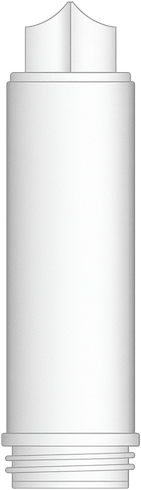
E7
226 o-ring with fin on one end
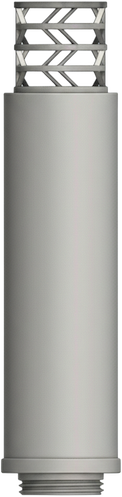
E8
SOE Single Open End with 226 o-ring and plastic spring on one end
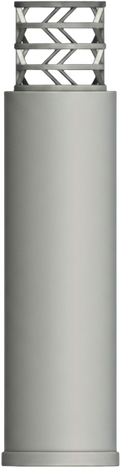
E9
Plastic Seal spring on one end
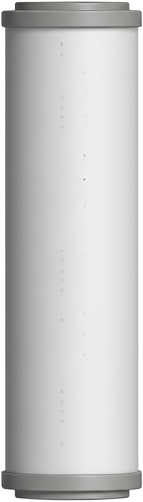
E16
Direct Bond Gaskets
Certifications
Industry certifications and approvals for filtration equipment demonstrate compliance with recognized safety, quality, and performance standards.
ASME
American Society of Mechanical Engineers code for pressure vessels and piping systems. ASME Section VIII certification ensures equipment meets rigorous design, fabrication, and inspection requirements for safe operation under pressure.
PED
Pressure Equipment Directive (EU 2014/68/EU) for marketing pressure equipment in the European Union. PED certification confirms compliance with essential safety requirements for design, manufacturing, and conformity assessment.
CRN
Canadian Registration Number issued by provincial regulatory authorities. CRN registration verifies that pressure equipment meets Canadian codes and standards for safe installation and operation.
NSF
NSF International certification for drinking water system components. NSF/ANSI Standard 61 ensures materials and products don't leach harmful contaminants into potable water.
FDA
U.S. Food and Drug Administration compliance for food, beverage, pharmaceutical, and medical applications. FDA-compliant materials meet regulatory requirements for direct and indirect food contact.
3-A
3-A Sanitary Standards for dairy and food processing equipment. 3-A certification ensures hygienic design and materials suitable for cleanability and product safety in sanitary applications.
Special Service
Service classification used to flag additional design, material, fabrication, and QC requirements beyond standard service for pressure equipment and filtration systems
Sour Service
H2S (sour) service—SSC control per NACE MR0175/ISO 15156 or MR0103
Lethal Service
ASME VIII-1 lethal service (UW-2)
Internal Lining
Internal linings protect wetted surfaces from corrosion, erosion, and product contamination
Ceramic
High-hardness tiles/trowel coatings for erosive slurries and wear zones. Excellent erosion/chemical resistance; low flexibility—control movement/thermal cycling
Epoxy
Amine/novolac epoxies for broad service; novolac suits strong acids/solvents.
PFA
Fluoropolymer with near-PTFE chemical resistance and very low permeation. Service typically ~200-230°C (per manufacturer); ideal for aggressive/pure media
ETFE
Tough fluoropolymer with broad chemical and abrasion resistance. Service ~150-170°C
Halar
Chemically equivalent category to ETFE
Tefzel
Chemically equivalent category to ETFE
Rubber Lined
Natural/synthetic rubber. Strong in mineral acids and abrasion; limited 60-90°C; weak vs. hydrocarbons
Bag Filter Size
Size classification used to flag the size of the bag filter
Size 1 (P1)
7" OD x 16" long
Size 2 (P2)
7" OD x 32" long
Size 4 (P4)
4" OD x 16" long
Twin Series (TW)
7" OD x 80" long
Filter Media Rating
Filter media rating describes how effectively a filter removes particles at a specified micron size.
Nominal
Nominal rating indicates that a filter can remove a specified percentage of particles at a given micron size, usually around 98% (up to Beta 50). It is an approximate value and may vary depending on operating conditions and test methods.
Absolute
Absolute rating represents a much higher and more consistent filtration efficiency, typically 99.9% or greater at the stated micron size. It is often associated with strict performance standards and is commonly defined using Beta 1000 or greater.
Beta Efficiency
Beta Rating (β) is a standardized and quantitative measure of filtration efficiency based on particle counting. It is defined as the ratio of the number of particles upstream of the filter to those downstream at a specific micron size. For example, a Beta 5000 rating means that for every 5000 particles entering the filter, only 1 passes through, corresponding to 99.98% efficiency. Beta ratings provide a precise and repeatable way to compare filter performance across different products and applications.
Housing Materials
Filter housing materials are selected based on process conditions, including corrosion environment, operating temperature, and chemical compatibility with the process fluid. Each material is suited to different industrial applications depending on these conditions.
Carbon Steel
An economical material used for filter housings in non-corrosive or mildly corrosive service. Often requires coatings or linings for protection. Also suitable for higher temperature operation.
Best for: General industrial applications, utility systems, and higher temperature service with limited corrosion exposure.
Stainless 304
The workhorse of general industry, widely used for standard industrial and utility applications. Suitable for broad operating conditions and cryogenic service.
Best for: General filtration, water systems, food & beverage, light industrial service, and cryogenic applications.
Stainless 316
A higher-performing version of SS304 with improved resistance to chlorides and more aggressive process fluids. Commonly the first choice for water and wastewater applications. Also suitable for cryogenic service.
Best for: Water, wastewater, pharmaceutical, and chemical processing environments where enhanced corrosion resistance is required.
Duplex 2205
A duplex stainless steel, the first choice when chloride or salinity levels exceed standard stainless steel capability.
Best for: Oil and gas, chemical processing, and systems exposed to moderate chloride levels.
Super Duplex 2507
A higher-performance grade than 2205, used in high salinity and severe chloride environments, including brine, brackish water, and seawater systems.
Best for: Seawater systems, desalination, brackish water, brine handling, offshore service, and highly aggressive chloride environments.
Hastelloy C276
A nickel-molybdenum-chromium alloy used in highly corrosive chemical environments, especially strong acids and oxidizing agents. Also suitable for elevated temperature service.
Best for: Severe chemical processing, acid service, oxidizing environments, and high-temperature corrosive applications.
Monel 400
A nickel-copper alloy used in marine and seawater environments, as well as selected chemical applications involving acids and alkaline media under moderate corrosion conditions.
Best for: Seawater service, marine chemical environments, and moderate chemical processing.
Fiberglass Reinforced Plastic (FRP)
A non-metallic composite made from fiberglass and resin, used in highly corrosive and high-chloride environments. Commonly selected where metallic materials are not suitable or where non-metallic wetted construction is required.
Best for: Wastewater treatment, chemical processing, seawater or high-chloride systems, and applications requiring non-metallic construction.